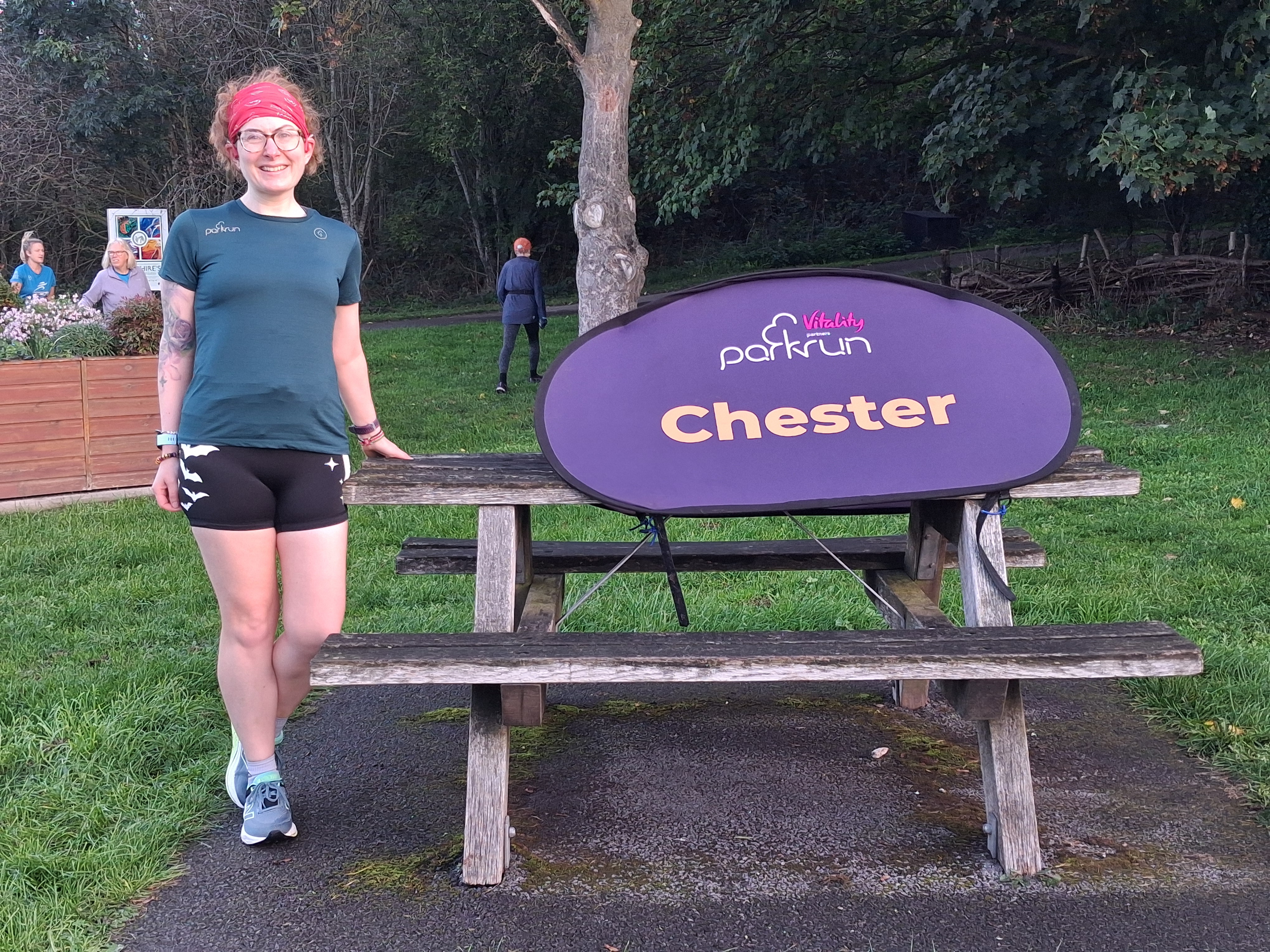
Visiting Chester to do the metric marathon so took the opportunity for some parkrun tourism!
Ticking another one off!
It was (understandably) very congested today so it took about a minute after the ‘go’ to start running. Took it nice and easy – this one’s not super fast due to some grass trail sections but it’d be nice to visit again on a quieter weekend.
Another book exchange, which seems to be a popular reuse in the Yorkshire Dales.
Hopefully I’ll have another phone box post for you next week (if the race recap doesn’t take up all my midweek blogging energy) – life has been a bit hectic lately!
Another first weekend of the month, another pacer week at Town Moor, another bagging of the 27 pacer slot. Felt rubbish in the first mile and was worried I would feel even more rubbish later on, but as usual it got easier and felt like I was jogging it in towards the end. 26:59 result 👌
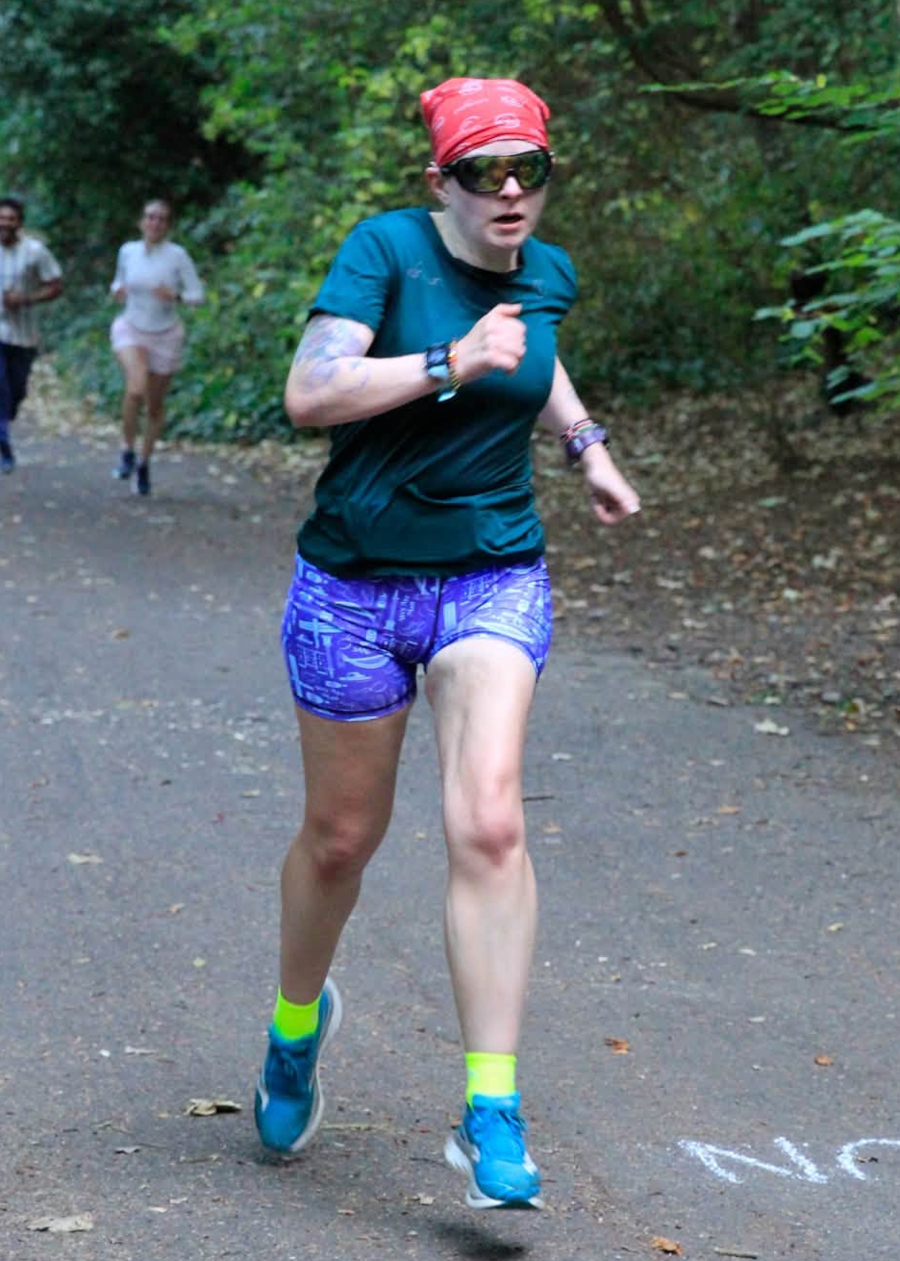
Attempted a stronger effort round the Dene yesterday to see what I could do. Pretty disappointing run ☹️ which might be the result of a high mileage week, but that’s not historically been the case for me (usually a high mileage week leads to a better parkrun result at the weekend).
I did finish strong, but there’s not much point in a strong finish at the end of a weak run.
I’ll get Chester Metric out of the way and then focus on a bit of speed later in the autumn once I’m recovered. I’d really like to start getting my parkrun times back down again.
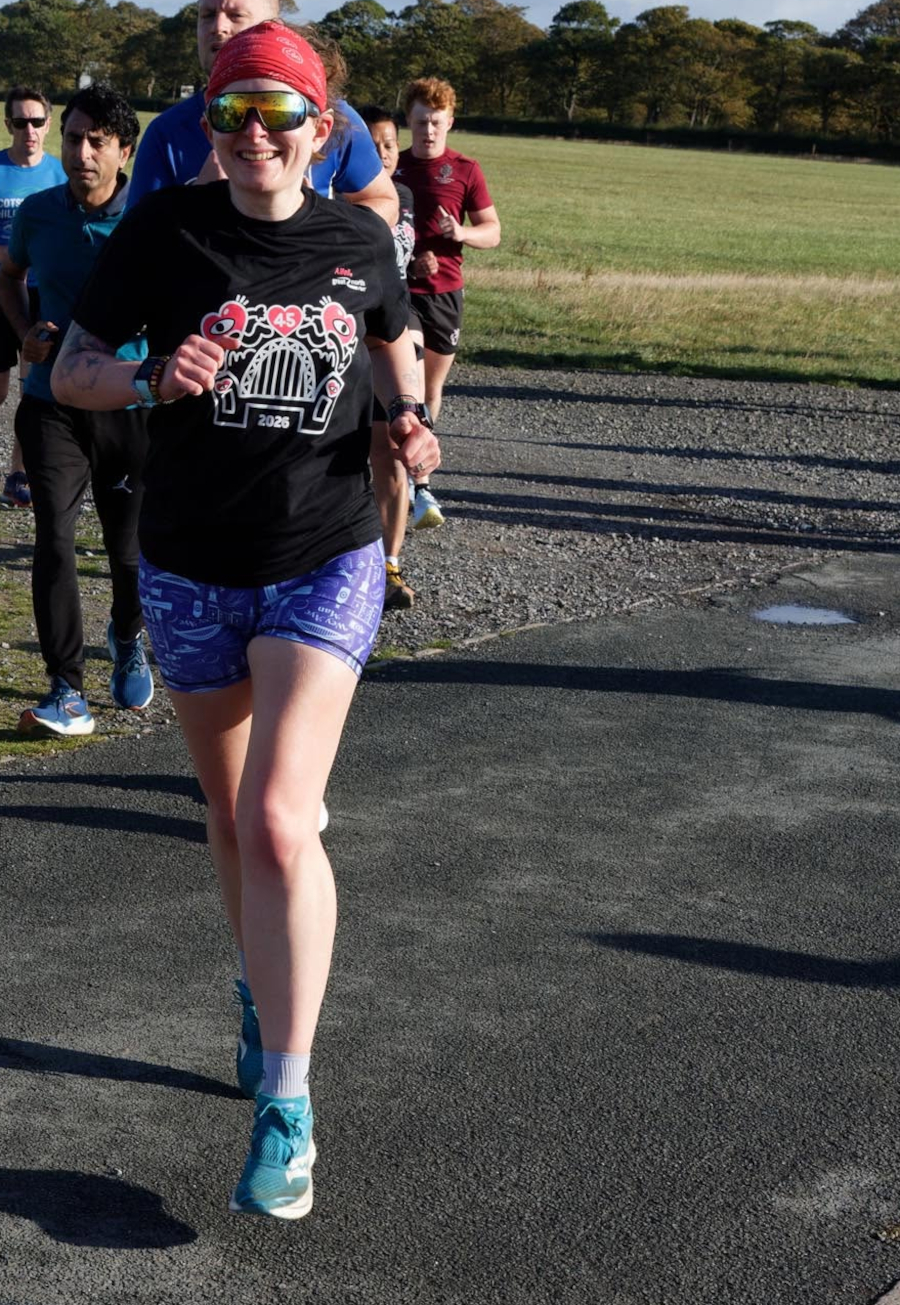
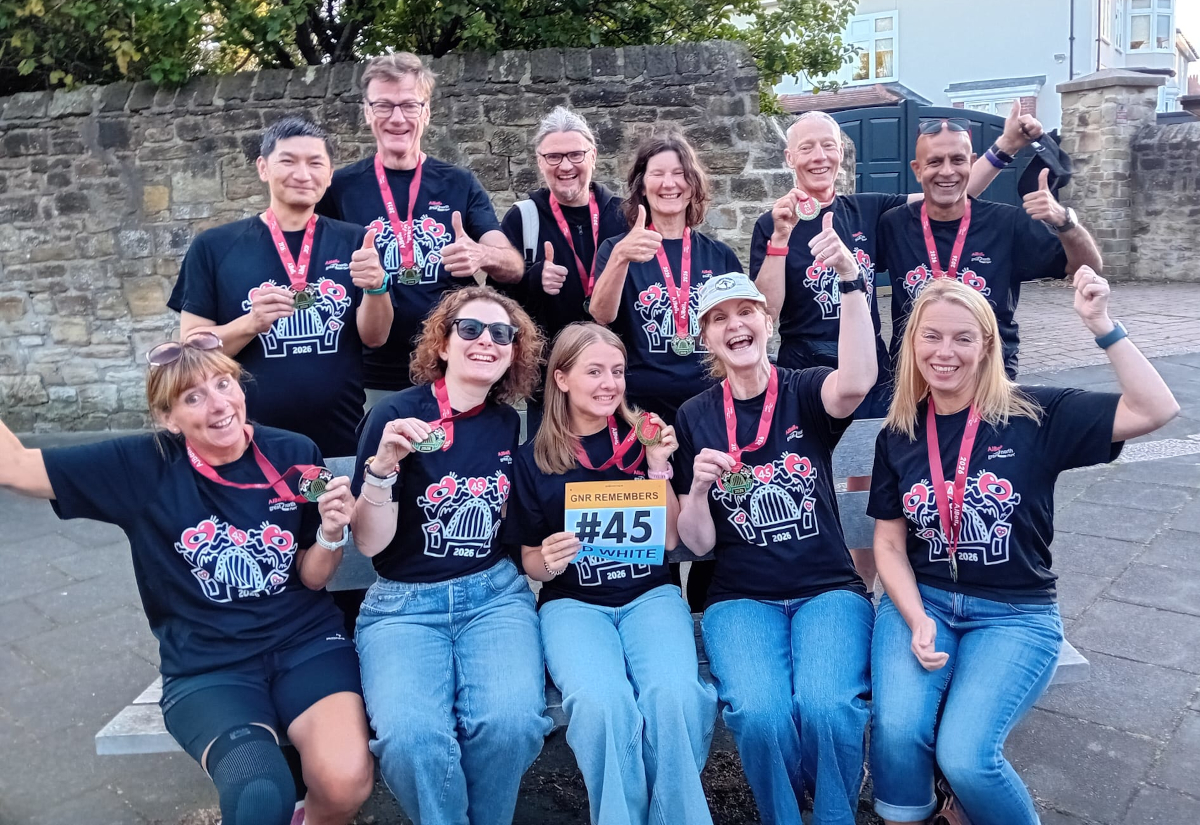
Another trip to the Moor in order to attend the annual GNR photo day. It has very much been a week of recovery post-race and so I planned to take it easy, though it did turn into a bit of a progression towards the end as expected.
12th Great North Weekend in a row, 11th in a row doing the full GNR (did the 5k the first year in 2015), 10th doing it in person (because 2020 was virtual), 9th doing the traditional route all the way to South Shields (because 2021 was an out-and-back). It’s overpriced, not a PB course and often a bit of a miserable run in the blazing sunshine along the open dual carriageway with not much interesting to see for quite a long time… but it’s always a party for us round here, and so I’ll almost certainly keep doing it.
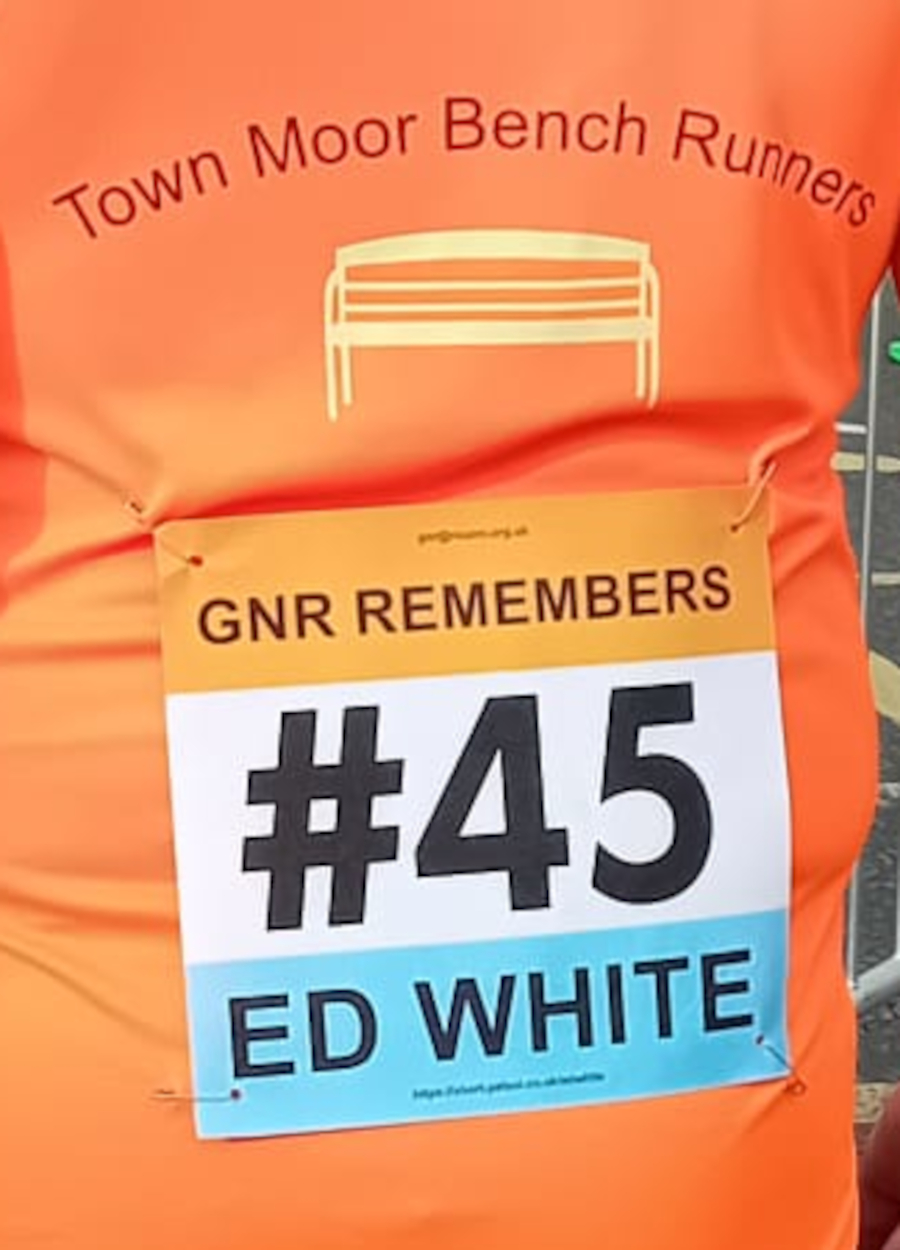
This year, we were remembering Ed. It was the 45th GNR and should also have been his 45th GNR. We all wore Ed bibs on our backs (organised by Ed’s friend Pierre from Sheffield) to celebrate him.
Geth’s Ed bib ready to go for the 5k on the Friday. Photo from Clare Harvey.
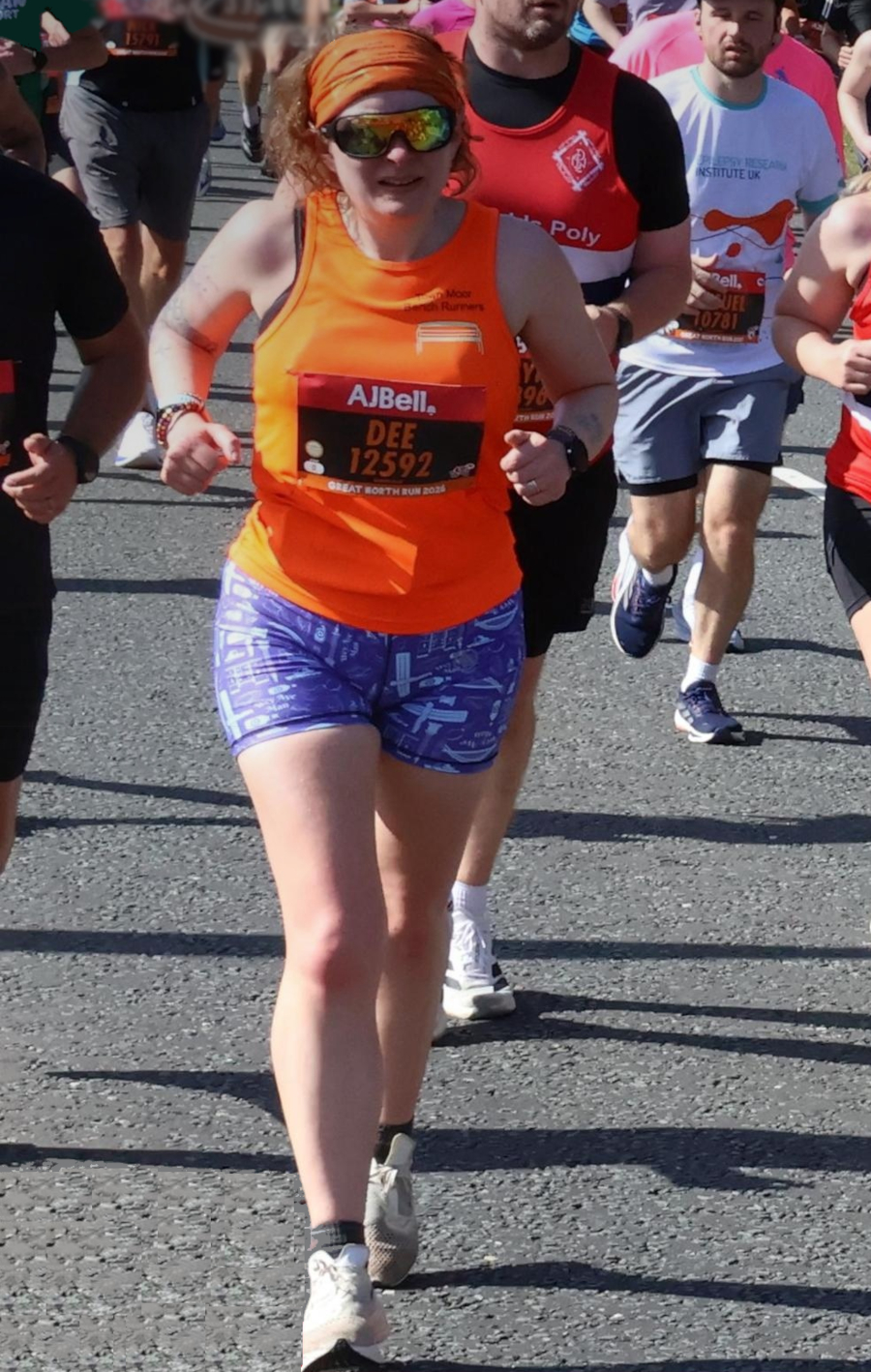
I would have liked another sub-2 to go along with my Toronto result in May, but I realised from about two or three miles in that it wasn’t going to happen on this occasion. It was too hot and my body wasn’t feeling right at all (and hadn’t done all week). I just focused on trying to stay steady and getting another one ticked off.
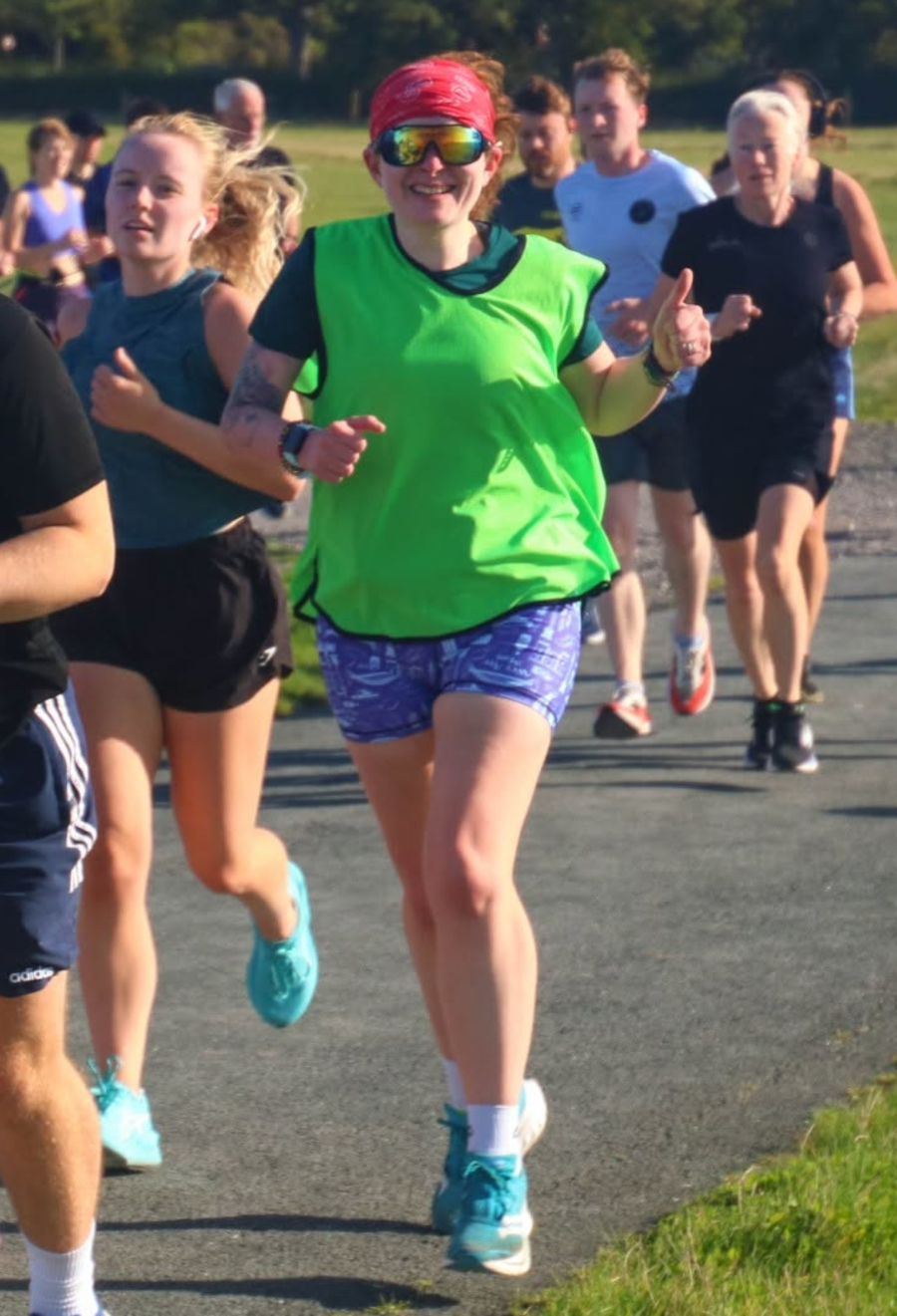
Mile 10 effort!
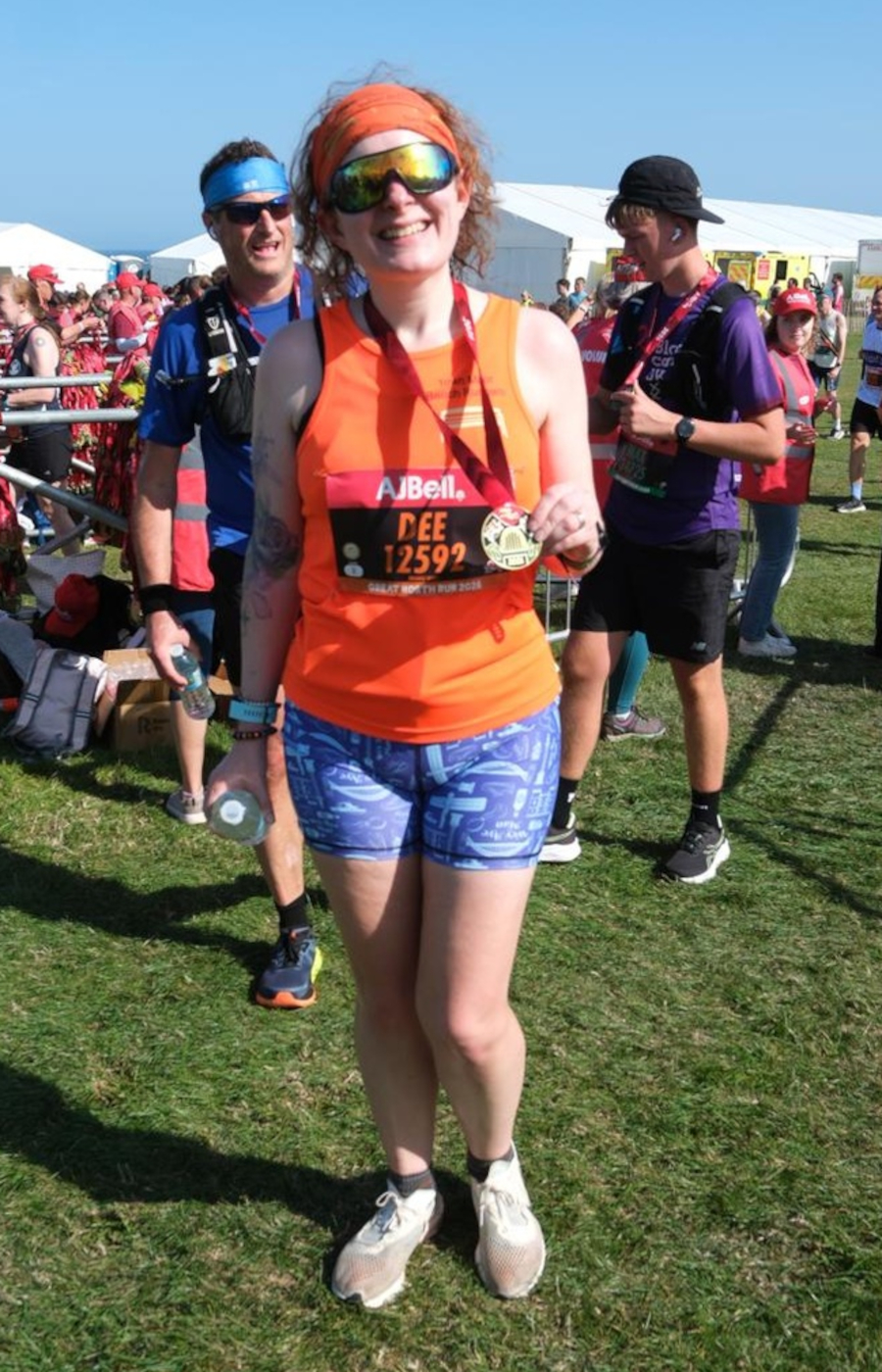
While it was a tough one for me, I have done much, much tougher GNRs in the past. I first ‘ran’ the full thing 10 years ago and I have come a long, long way since then, even if there have been a few backwards steps in the last couple of years.
Always a relief to be in Shields!
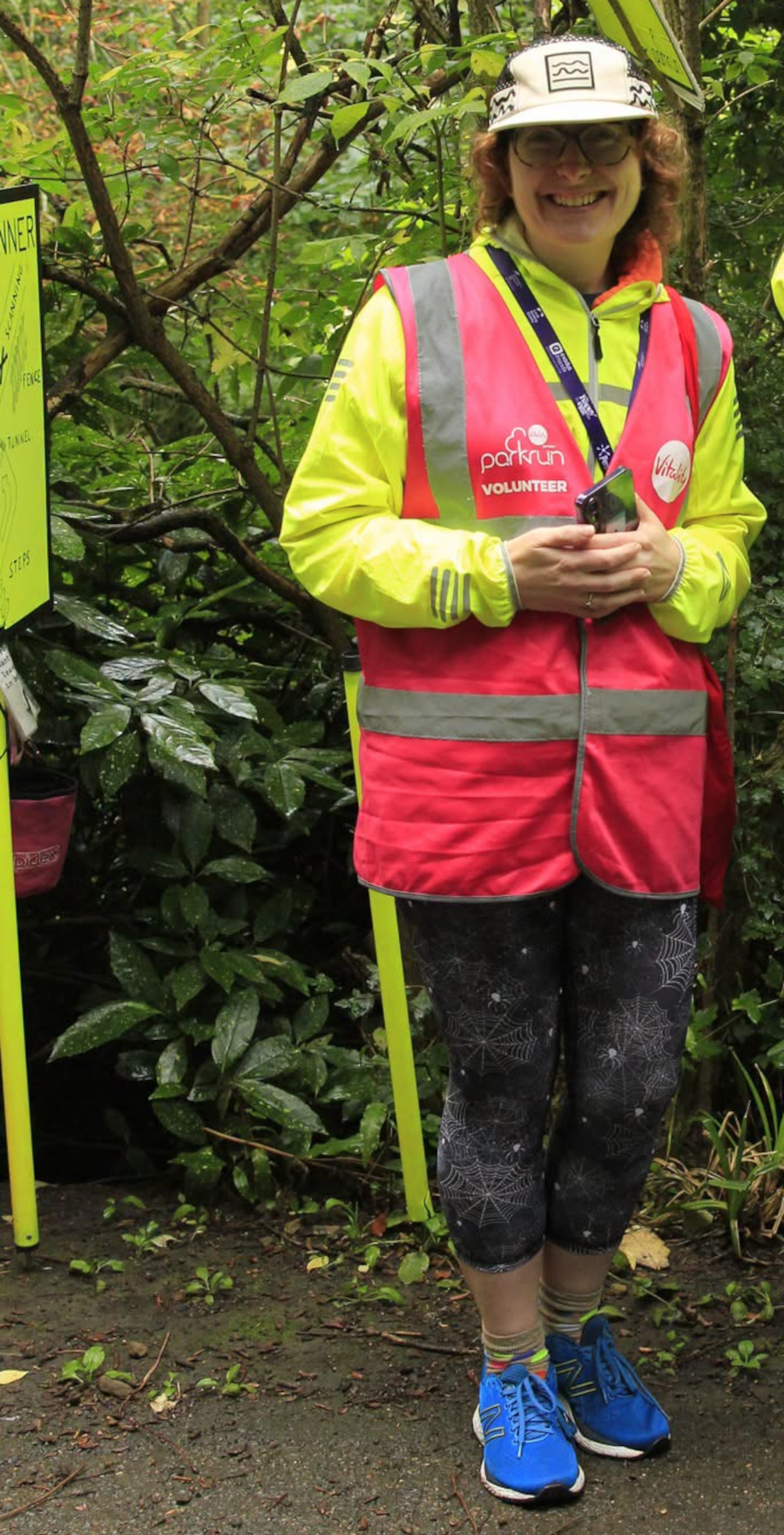
I do love the whole of GNR weekend (Friday morning social shakeout with the Benchies, volunteering at Jesmond Dene parkrun on the Saturday morning to help manage all the ‘J’ tourists, the atmosphere of GNR day itself) but my absolute favourite part is meeting up at the bench on Monday evening for the annual class photo! We miss you so much Ed.
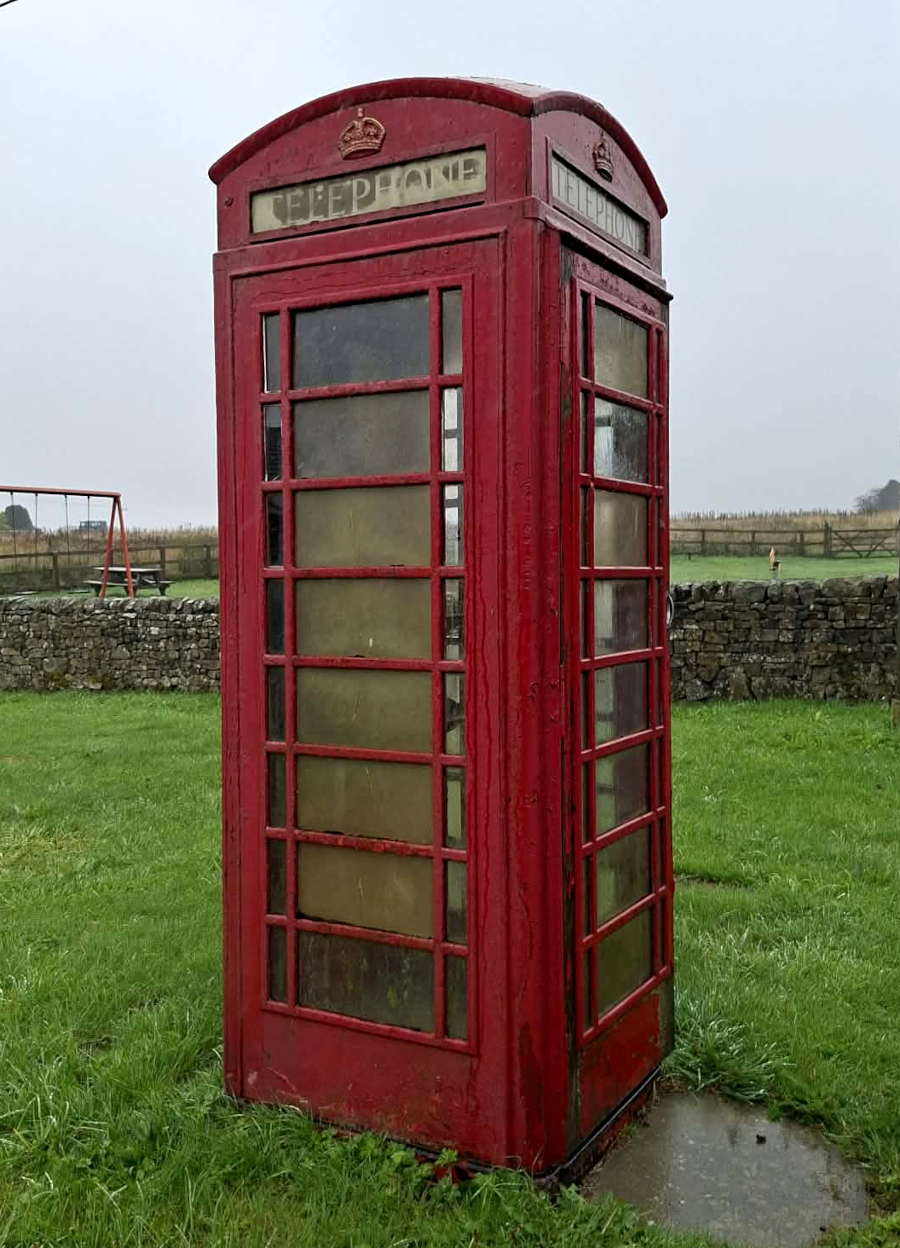
This phone box in Hebden (on the B6265) is a book exchange, which also has a donations box towards the village hall. The temporary road sign next to it was letting everyone know that the Tour of Britain would be cycling through the village the following day!
We found one more phone box along the diversion so I’ll feature that one next week.
Town Moor for the fourth week running! I am never normally at the same parkrun so many weeks in a row. There have been lots of reasons to go there recently though.
Today’s reason was pacer week, as I like pacing. I paced 27 again, just like three weeks ago. I was a tiny bit anxious about it after last week, when I couldn’t even get under 27 at full effort, but I suspected that was a fatigue-induced aberration and I was right – 27 felt nice and steady today and I had to keep myself from going too fast in the last mile. Helped my friend Beth to a PB too!